You write a sentence. Then you stop. You wonder, “Should I write realize or realise?” Both look correct. Both appear in books. Both pass spell check. So the confusion grows.
This small spelling choice troubles students, writers, and even professionals. You see one form in American articles. Then you see the other in British news. As a result, many people mix them in the same document without noticing. That makes writing look careless, even when the grammar is perfect.
So, what is the truth? Which spelling is correct? And when should you use each one?
In this guide, you will clearly understand the difference between realize and realise, why both exist, and how to choose the right one every time.
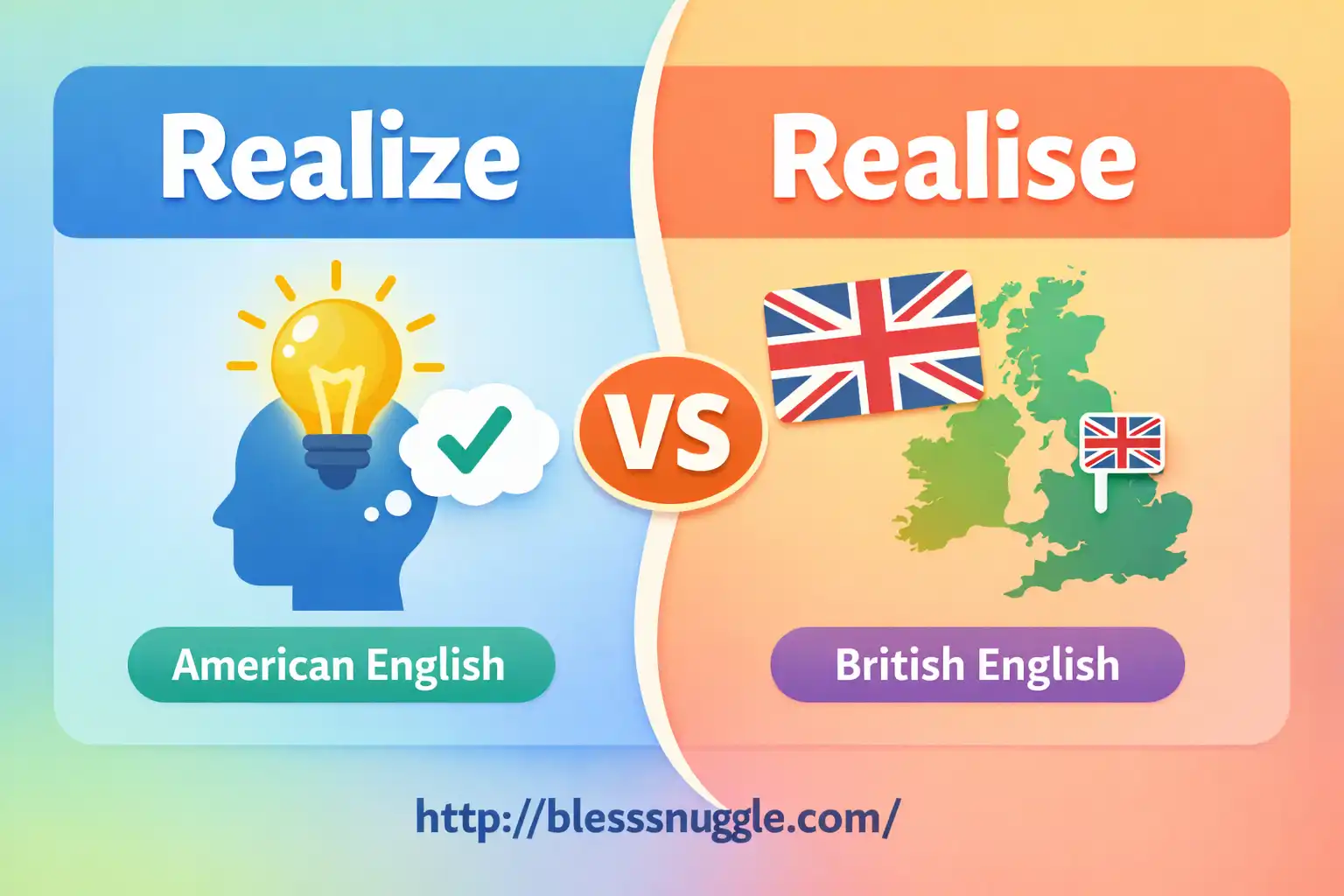
Realize or Realise – Quick Answer
Both words have the same meaning.
The difference is spelling style, not meaning.
Realize → American English 🇺🇸
Realise → British English 🇬🇧
Easy rule:
Use the spelling that matches your audience’s English style.
Example:
- I did not realize the time. (US)
- I did not realise the time. (UK)
The Origin of Realize or Realise
The word comes from the Latin word realis, which means “actual” or “real.” Later, French influenced the spelling, and the word entered English.
Here is the interesting part.
In early English, many words could end with -ize or -ise. Both were accepted. Over time, different regions preferred different spellings.
Writers in America kept -ize. Writers in Britain slowly preferred -ise for many words. As a result, two spelling styles formed.
So, the confusion today is not about grammar. It is about history and regional habit.
British English vs American English Spelling
This difference appears in many words, not just realize/realise.
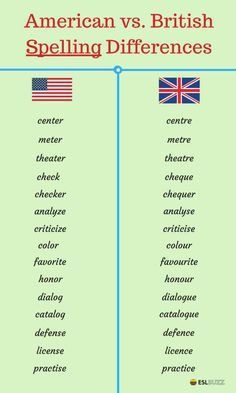
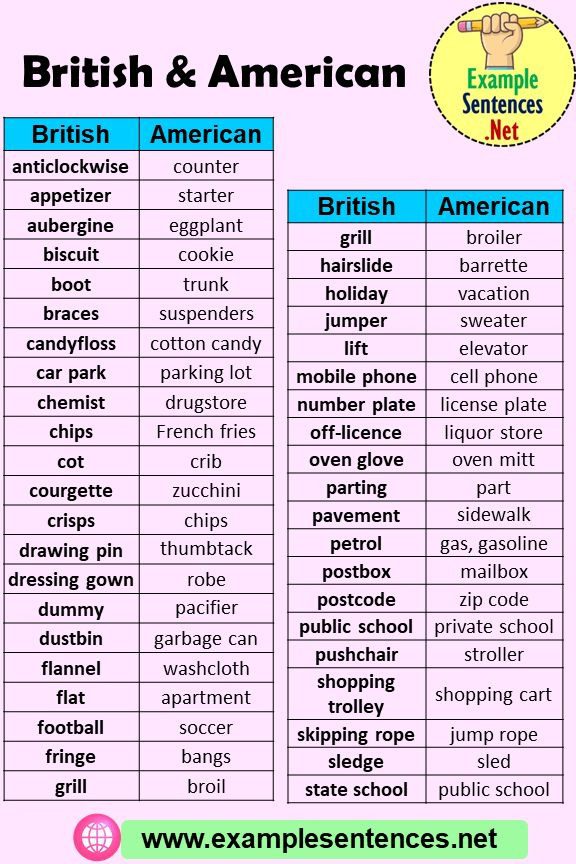

| American English | British English |
| realize | realise |
| organize | organise |
| recognize | recognise |
| apologize | apologise |
However, the meaning never changes. Only the spelling changes.
In contrast, pronunciation stays the same.
Which Spelling Should You Use?
Your choice depends on your audience.
For US readers → use realize
For UK, Australia, Canada → use realise
For global or online writing → pick one style and stay consistent
Editors often say this: consistency matters more than the choice itself.
Do not mix both spellings in the same article or email.
Common Mistakes with Realize or Realise
Writers often make small but noticeable mistakes.
❌ I did not realise the mistake in my American report.
✅ I did not realize the mistake in my American report.
❌ The company will realize its goals. (in a UK document)
✅ The company will realise its goals.
❌ Mixing both in one paragraph
✅ Choose one style and keep it
This mistake does not break grammar, but it breaks writing professionalism.
Realize or Realise in Everyday Examples
You can use the word naturally in many places.
Emails
I just realized I sent the wrong file.
News
- She realised the danger too late.
Social Media
- I didn’t realize how fast this year went!
Professional Writing
- The team realised the project needed more time.
The usage stays the same. Only the spelling changes.
Realize or Realise – Usage Patterns & Search Interest
Many students, ESL learners, and bloggers search this topic. They often see both spellings online. Then they worry about which one is correct.
A common real-life problem happens when someone copies text from different sources. One source uses realize. Another uses realise. The final document looks inconsistent.
That is why this small spelling issue creates big confusion.
Quick Comparison Table
| Feature | Realize | Realise |
| Meaning | Become aware | Become aware |
| Part of speech | Verb | Verb |
| Region | American English | British English |
| Formal usage | Yes | Yes |
| Informal usage | Yes | Yes |
| Common mistake | Used in UK writing | Used in US writing |
| Correct example | I realize my mistake. | I realise my mistake. |
This table removes the confusion instantly.
FAQs About Realize or Realise
Is realize the same as realise?
Yes. The meaning is exactly the same.
Which one is correct in formal writing?
Both are correct. Choose based on region.
Can they be used interchangeably?
Only if you stay consistent with one spelling style.
Why do people confuse them?
Because both appear online and in books.
Can grammar tools catch this mistake?
Yes. Tools adjust spelling based on language settings.
Is there a pronunciation difference?
No. Both sound the same.
Is this difference important?
Yes, for professional and consistent writing.
Conclusion
At first, realize and realise seem like a grammar problem. But now you know the truth. This is only a spelling style difference between American and British English.
The meaning never changes. The pronunciation never changes. Only the regional preference changes.
So, the real mistake is not choosing the wrong spelling. The real mistake is mixing both styles in the same piece of writing.
Overall, choose the spelling that matches your audience.
Finally, remember this simple rule:
Use realize for American English.
Use realise for British English.
That one rule will keep your writing clean and professional every time.

I am Ethan Blake, a passionate writer dedicated to crafting heartfelt messages that spread love, joy, and inspiration.