If you or someone close to you has recently been diagnosed with pneumonia, one of the first questions that likely comes to mind is: is pneumonia contagious?
This is an important and practical concern. After all, pneumonia is a serious respiratory infection that affects millions of people worldwide each year. According to global health data, pneumonia causes hundreds of thousands of hospitalizations annually and remains a leading cause of death in young children and older adults.
But here’s the key point:
Some types of pneumonia are contagious, while others are not.
Understanding how pneumonia transmission works can help you protect yourself, your family, and vulnerable individuals in your community.
In this comprehensive guide, we’ll explore:
- What pneumonia really is
- Whether contagious pneumonia spreads easily
- How pneumonia spreads
- The pneumonia contagious period
- Who is at higher pneumonia infection risk
- Prevention strategies and treatment options
Let’s break it down in simple, clear language.
What Is Pneumonia? (Medical Condition & Respiratory Infection Explained)
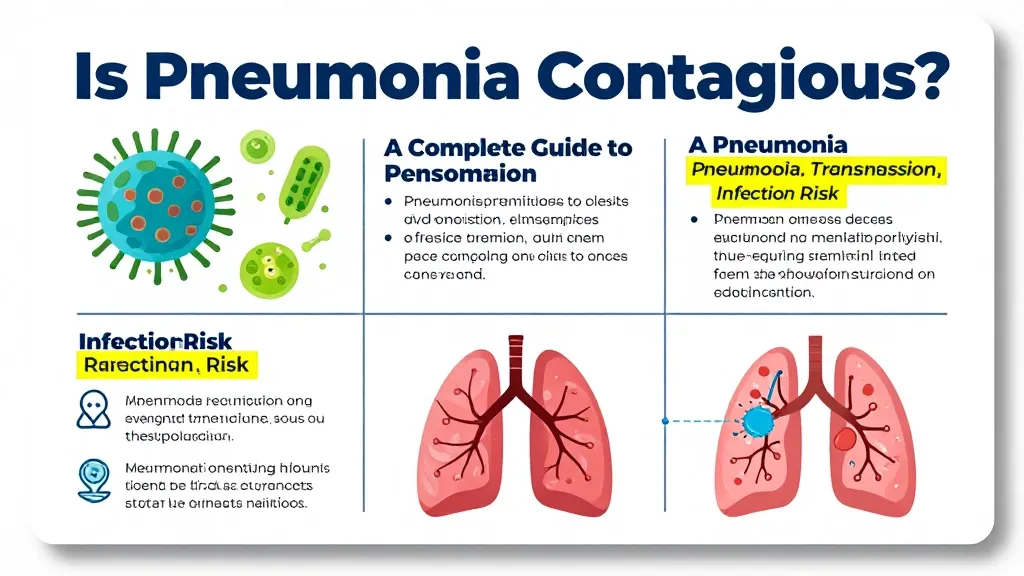
Pneumonia is a medical condition and serious respiratory infection that inflames the air sacs (alveoli) in one or both lungs.
When someone develops pneumonia:
The air sacs fill with fluid or pus
Breathing becomes difficult
Oxygen exchange decreases
Symptoms such as fever, cough, and chest pain may appear
Pneumonia can range from mild to life-threatening. It affects:
- Children under 5
- Adults over 65
- People with weakened immune systems
- Individuals with chronic illnesses
Pneumonia is considered an infectious condition in many cases, especially when caused by bacteria or viruses.
Is Pneumonia Contagious? The Direct Answer
The Short Answer
Yes — some forms of pneumonia are contagious, especially:
Bacterial pneumonia
Viral pneumonia
However, not all pneumonia spreads from person to person.
Why the Confusion?
The reason people ask “can you catch pneumonia?” is because pneumonia can be caused by many different agents:
| Type of Pneumonia | Contagious? | How It Spreads |
|---|---|---|
| Bacterial pneumonia | Yes | Droplets, close contact |
| Viral pneumonia | Yes | Airborne particles, coughing |
| Fungal pneumonia | Rarely | Environmental exposure |
| Aspiration pneumonia | No | Caused by inhaling food/liids |
So when asking “is pneumonia contagious?”, the real answer depends on the type of pneumonia.
Types of Pneumonia and Their Contagious Nature
Understanding the types of pneumonia helps clarify pneumonia transmission.
Bacterial Pneumonia
The most common cause is Streptococcus pneumoniae.
Often develops after a cold or flu
Can spread through respiratory droplets
Considered contagious pneumonia
Symptoms may include:
- High fever
- Productive cough
- Chest pain
- Fatigue
This type spreads through disease transmission via coughing, sneezing, or close contact.
Viral Pneumonia
Common viruses include:
- Influenza virus
- RSV
- SARS-CoV-2
- Adenoviruses
Viral pneumonia is highly infectious.
Because viruses are easily spread through:
- Airborne droplets
- Touching contaminated surfaces
- Close personal contact
This makes it a contagious respiratory illness.
Fungal Pneumonia
Caused by fungi found in soil or bird droppings.
- Not usually spread from person to person
- More common in people with weak immune systems
This type is not typically contagious.
Aspiration Pneumonia
Occurs when:
- Food
- Vomit
- Liquids
enter the lungs accidentally.
It is not contagious, since it is not caused by an external infectious agent.
How Pneumonia Spreads (Pneumonia Transmission Explained)
If pneumonia is caused by bacteria or viruses, here’s how pneumonia spreads:
Respiratory Droplets
When an infected person:
Coughs
Sneezes
Talks
Tiny droplets containing germs are released into the air.
These droplets can:
- Be inhaled by others
- Land on surfaces
- Transfer through hand contact
This is the most common form of disease transmission.
Close Contact
Living in the same household increases pneumonia infection risk.
Close proximity means:
- Shared air
- Shared utensils
- Shared surfaces
Weakened Immune Response
Sometimes pneumonia spreads not because of extreme exposure, but because the immune system fails to fight off common microbes already present in the body.
Pneumonia Contagious Period: How Long Is It Infectious?
The pneumonia contagious period depends on the cause.
Bacterial Pneumonia
Usually contagious until 24–48 hours after starting antibiotics
After proper treatment begins, the person becomes much less likely to spread the infection.
Viral Pneumonia
- Often contagious for several days before symptoms appear
- Can remain contagious for up to 1–2 weeks
In children or immunocompromised individuals, this period may be longer.
General Rule
If fever, active coughing, and other pneumonia symptoms are present, assume potential contagiousness.
Can You Catch Pneumonia Easily?
The answer depends on several factors.
Your Risk Is Higher If You:
Are over 65
Are under 5
Smoke
Have asthma or COPD
Have diabetes
Have heart disease
Have a weakened immune system
These individuals have higher pneumonia infection risk.
Environmental Risk Factors
- Crowded living conditions
- Hospitals or nursing homes
- Poor ventilation
- Winter season
Community-Acquired vs Hospital-Acquired Pneumonia
Community-Acquired Pneumonia (CAP)
Occurs outside of hospitals.
Common causes:
Bacteria
Viruses
Often contagious pneumonia.
Hospital-Acquired Pneumonia (HAP)
Develops 48+ hours after hospital admission.
More dangerous because:
- Caused by antibiotic-resistant bacteria
- Affects already ill patients
| Feature | Community-Acquired | Hospital-Acquired |
|---|---|---|
| Where it occurs | Outside hospital | Inside hospital |
| Contagious? | Often | Can be |
| Severity | Mild to severe | Often severe |
| Resistance risk | Lower | Higher |
Pneumonia Symptoms (Recognizing Early Signs)
Recognizing pneumonia symptoms helps reduce disease transmission.
Common signs include:
Persistent cough
Fever and chills
Shortness of breath
Chest pain when breathing
Fatigue
Rapid breathing
Confusion (in elderly)
Children may show:
- Fast breathing
- Grunting
- Poor feeding
- Bluish lips
Early treatment reduces the pneumonia contagious period.
Pneumonia Incubation Period
The pneumonia incubation period varies.
Bacterial: 1–3 days
Viral: 1–4 days
COVID-related pneumonia: 2–14 days
This means someone can be infectious before knowing they are sick.
Pneumonia vs Cold: Key Differences
Many people confuse pneumonia with a simple cold.
| Feature | Pneumonia | Cold |
|---|---|---|
| Fever | High | Mild |
| Chest pain | Common | Rare |
| Breathing difficulty | Yes | No |
| Lung inflammation | Yes | No |
| Requires antibiotics | Sometimes | No |
A cold is milder, but pneumonia is a serious respiratory infection.
Pneumonia Prevention: How to Reduce Infection Risk
Preventing pneumonia lowers your chances of catching this infectious illness.
Vaccination
Vaccines exist for:
Pneumococcal bacteria
Influenza
COVID-19
Vaccination greatly reduces severe pneumonia infection risk.
Hygiene Practices
- Wash hands frequently
- Avoid touching your face
- Cover coughs
- Disinfect surfaces
These reduce disease transmission.
Strengthen Immunity
- Balanced diet
- Regular exercise
- Adequate sleep
- Avoid smoking
Avoid Close Contact When Sick
If you suspect contagious pneumonia, stay home to protect others.
Pneumonia Treatment Options
Treatment depends on the cause.
Bacterial Pneumonia
Antibiotics
Rest
Fluids
Fever reducers
Most improve within 3–5 days of treatment.
Viral Pneumonia
- Antiviral medications (sometimes)
- Supportive care
- Oxygen if needed
Severe Cases
- Hospitalization
- IV antibiotics
- Ventilator support
Early pneumonia treatment shortens recovery and reduces spread.
Pneumonia Recovery Time
Recovery varies by age and severity.
| Group | Typical Recovery Time |
|---|---|
| Healthy adult | 1–3 weeks |
| Older adult | 4–6 weeks |
| Severe case | Several months |
Fatigue may linger even after infection clears.
Pneumonia in Children vs Adults
Pneumonia in Children
Often viral
Can spread quickly in schools
Higher risk of dehydration
Pneumonia in Adults
- Often bacterial
- More severe in elderly
- Higher hospitalization rates
Children and elderly are most vulnerable to contagious respiratory illness.
When Is Pneumonia Not Contagious?
Pneumonia is generally not contagious when:
It is fungal (environmental exposure)
It is aspiration-related
Antibiotics have been taken for 48 hours
Symptoms have resolved
Understanding this helps reduce unnecessary fear.
Key Facts About Pneumonia Transmission
Here are important takeaways:
Pneumonia can be contagious depending on the cause
Bacterial and viral pneumonia spread through droplets
Proper treatment reduces the pneumonia contagious period
Not all pneumonia is spread from person to person
Prevention strategies significantly lower infection risk
Frequently Asked Questions
Is pneumonia an airborne disease?
Some forms, especially viral pneumonia, can spread through airborne droplets, similar to other airborne diseases.
Can you catch pneumonia from someone coughing?
Yes — if it is caused by bacteria or viruses.
How long should someone with pneumonia isolate?
At least until:
Fever is gone
24–48 hours of antibiotics completed (if bacterial)
Symptoms improve
Is walking pneumonia contagious?
Yes. It is usually caused by Mycoplasma pneumoniae and spreads through close contact.
Final Thoughts: Is Pneumonia Contagious?
So, is pneumonia contagious?
The answer is: sometimes yes, sometimes no.
When caused by bacteria or viruses, pneumonia is an infectious respiratory infection that spreads through droplets and close contact. Understanding how pneumonia spreads, the pneumonia contagious period, and your personal pneumonia infection risk can help protect you and your loved ones.
With vaccination, hygiene, and early treatment, the risks can be significantly reduced.
If you or someone around you develops symptoms such as persistent cough, fever, and difficulty breathing, seek medical care promptly.
Pneumonia is serious — but with knowledge and prevention, it is manageable and often treatable.

I am Ethan Blake, a passionate writer dedicated to crafting heartfelt messages that spread love, joy, and inspiration.