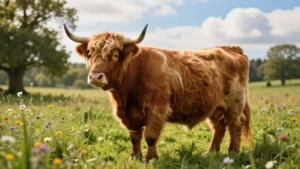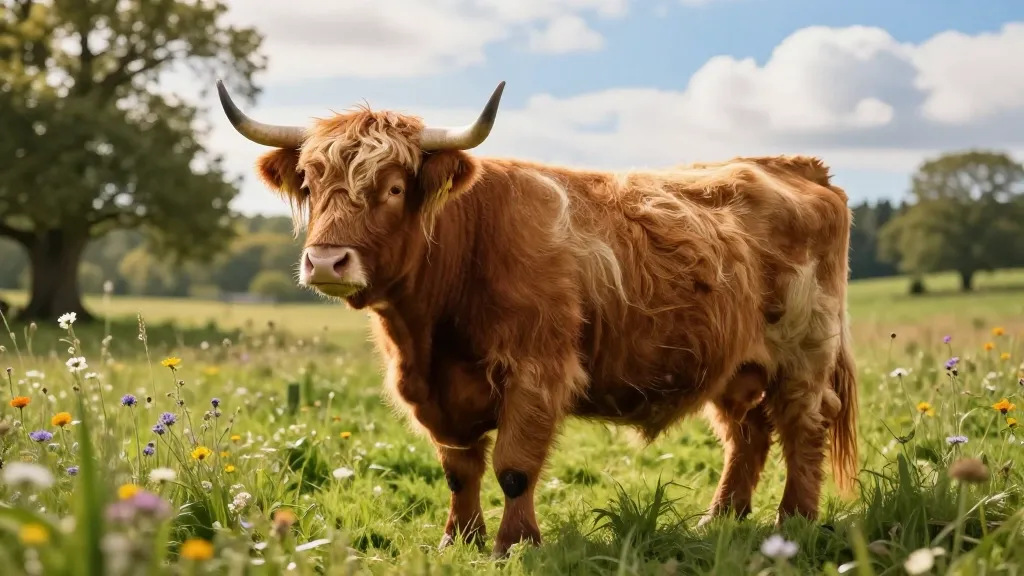
The Highland cow, also known as Scottish Highland cattle, is one of the most iconic and instantly recognizable cattle breeds in the world. With its long, shaggy coat, sweeping horns, and calm expression, the Highland cow has become a symbol of rugged landscapes, traditional farming, and sustainable livestock practices. Beyond its photogenic appearance, this breed is valued for its hardiness, longevity, and high-quality beef.
This complete guide explores everything you need to know about Highland cows, including their origin, physical traits, temperament, care requirements, feeding habits, breeding, health, and everyday farm life. Whether you are a farmer, hobbyist, or simply fascinated by this unique breed, this article offers clear, practical, and in-depth knowledge.
What Is a Highland Cow?
A Highland cow is a hardy cattle breed developed to survive harsh climates, poor grazing land, and long winters. The breed is best known for its long hair, strong horns, and ability to thrive where many other cattle breeds struggle.
Key characteristics include:
Thick double-layered coat for insulation
Long horns used for foraging and defense
Slow growth but long lifespan
Calm and manageable temperament
Highland cattle are often raised for beef production, conservation grazing, and small-scale farms.
Origin and History of Scottish Highland Cattle
Scottish Highland cattle are one of the oldest registered cattle breeds in the world. They originated in the rugged Highlands and islands of northern Scotland, where survival depended on resilience rather than rapid growth.
Historically, Highland cows were:
Raised in mountainous terrain
Fed on rough pasture and native grasses
Used as both beef cattle and draft animals
Their ability to survive extreme cold, wind, and limited food made them essential to traditional farming communities.
Physical Characteristics of the Highland Cow
Distinctive Long Hair
The most recognizable feature of the Highland cow is its long, shaggy coat. This coat consists of:
A soft, insulating undercoat
A long, oily outer coat that repels rain and snow
This natural insulation allows Highland cattle to tolerate cold temperatures without requiring excess body fat.
Horns
Both males and females have horns, though they differ in shape:
- Bulls typically have thicker, forward-curving horns
- Cows have longer horns that sweep upward
Horns help with foraging through snow and establishing herd hierarchy.
Size and Weight
Highland cattle are smaller than many commercial beef breeds.
Average size:
| Category | Weight Range |
|---|---|
| Cow | 450–550 kg |
| Bull | 650–800 kg |
Despite their smaller size, they are strong, muscular animals.
Highland Cow Temperament and Behavior
Highland cows are known for their calm and gentle nature. When handled properly, they are easy to manage and suitable for small farms.
Temperament traits include:
Docile and curious behavior
Strong maternal instincts
Low stress response
Good herd awareness
Their protective nature makes cows attentive mothers, especially during calving season.
Highland Cow Colors and Variations
While the reddish-brown Highland cow is the most famous, the breed comes in a wide range of colors:
Red
Black
Yellow
Dun
Brindle
White
Color does not affect health, productivity, or meat quality.
Highland Cow Care and Daily Management
Housing Needs
Highland cattle require minimal housing compared to other breeds. Their thick coat allows them to remain outdoors year-round in most climates.
Basic housing guidelines:
Windbreaks or natural shelter
Dry ground during wet seasons
Shade in hot climates
Feeding and Nutrition
Highland cows are efficient grazers and thrive on low-quality forage.
Typical diet includes:
- Natural pasture grass
- Hay during winter months
- Minimal grain supplementation
Their slow metabolism reduces feed costs and supports sustainable farming.
Highland Cow Health and Lifespan
Highland cattle are considered one of the healthiest cattle breeds.
Health advantages:
Strong immune systems
Low incidence of calving problems
Fewer hoof and leg issues
Resistance to harsh weather
Average lifespan:
- 18 to 25 years, significantly longer than many commercial breeds
Routine health care still includes vaccinations, parasite control, and regular health checks.
Breeding and Calving
Highland cows are excellent mothers and calve easily due to smaller calf size.
Breeding facts:
Calves are usually born without assistance
Strong maternal bonding
Calves grow slowly but steadily
This makes the breed ideal for low-intervention farming systems.
Highland Cow Beef Quality
Highland beef is prized for its quality rather than quantity.
Key beef characteristics:
Lean meat with fine marbling
Lower cholesterol compared to conventional beef
Rich, distinct flavor
Grass-fed by nature
Because of slower growth, Highland beef is often sold as premium or specialty beef.
Highland Cows in Modern Farm Life
Today, Highland cows are used in:
Sustainable beef farming
Conservation grazing projects
Hobby farms and homesteads
Agritourism and educational farms
Their gentle nature and striking appearance make them popular with visitors and farmers alike.
Highland Cow as a Pet or Hobby Farm Animal
While not traditional pets, Highland cows are suitable for small-scale farms due to their manageable size and temperament.
Important considerations:
Adequate land for grazing
Secure fencing due to horns
Regular human interaction for calm behavior
They are best suited for owners committed to long-term care.
Advantages of Raising Highland Cattle
Benefits include:
Low feed and maintenance costs
Excellent cold tolerance
Long productive lifespan
High-quality beef
Strong maternal traits
These advantages make Highland cattle ideal for sustainable and ethical farming.
Challenges of Highland Cow Farming
Potential challenges:
Slow growth rate
Long hair requires occasional grooming
Horn management in confined spaces
Heat sensitivity in very hot climates
With proper management, these challenges are easily controlled.
Conclusion
The Highland cow is far more than a beautiful animal. As a breed, Scottish Highland cattle represent resilience, sustainability, and traditional farming values. Their adaptability, gentle temperament, and premium beef quality make them an excellent choice for modern farmers seeking low-maintenance livestock.
Whether raised for beef, conservation, or small farm life, Highland cows continue to thrive across the world while maintaining their deep connection to their historic roots. For anyone interested in ethical farming and hardy livestock, the Highland cow remains one of the most re

I am Ethan Blake, a passionate writer dedicated to crafting heartfelt messages that spread love, joy, and inspiration.